Step-by-Step Guide to Creating Your First Vision Board
Embarking on the journey of creating a vision board is more than just a crafty afternoon; it’s a powerful tool for manifesting your dreams and aspirations. This guide will walk you through each stage, from understanding its profound purpose to actively engaging with your creation.
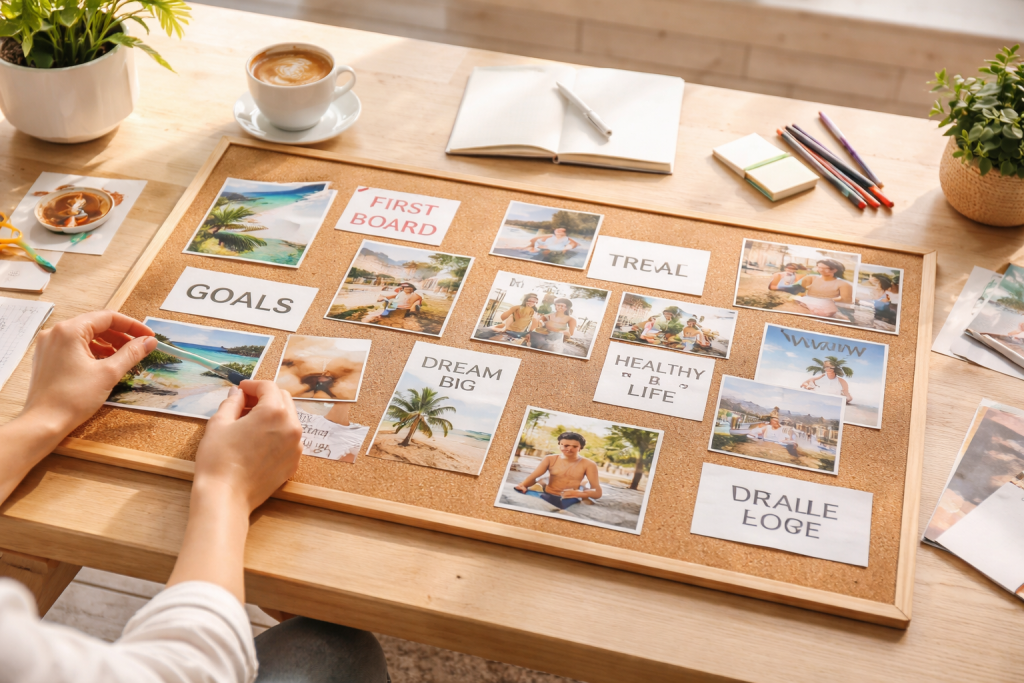
At its core, a vision board is a tangible representation of your desires, goals, and the future you envision for yourself. It acts as a visual anchor, constantly reminding you of what you are working towards. The act of creating it forces you to pause, reflect, and articulate what truly matters to you. It’s not about magic; it’s about clarity, focus, and consistent reinforcement. By bringing your abstract dreams into a concrete, visual format, you make them feel more attainable and less like fleeting wishes. This process ignites motivation and helps you identify actionable steps to achieve your aspirations. The purpose extends beyond mere decoration; it’s a strategic planning tool for your life, a personal manifesto that whispers your dreams into existence. It taps into the power of visualization, a technique used by athletes, entrepreneurs, and creatives to achieve peak performance and success. When you see your goals represented visually, your brain is more likely to seek out opportunities and solutions that align with them.
Contents
- 1 The Psychology Behind Visual Manifestation
- 2 Vision Boards as Goal-Setting Tools
- 3 Sources of Visual Inspiration
- 4 Essential Materials for Your Board
- 5 The Role of Words and Affirmations
- 6 Clarifying Your Dreams
- 7 Defining SMART(er) Goals
- 8 Aligning Goals with Your Values
- 9 Creating a Focal Point
- 10 Thematic Grouping and Flow
- 11 Embracing Negative Space
- 12 Crafting Powerful Affirmations
- 13 The Power of Personal Photography
- 14 Incorporating Symbols and Metaphors
- 15 Daily Engagement and Visualization
- 16 Taking Inspired Action
- 17 Sharing Your Vision (Selectively)
- 18 Trusting the Process
- 19 Recognizing Growth and Change
- 20 Periodic Reviews and Refreshing
- 21 Adapting to New Realities
The Psychology Behind Visual Manifestation
The human brain is incredibly receptive to visual stimuli. Studies have shown that images can be processed 60,000 times faster than text, and combined with emotional context, they have a profound impact on our thoughts and actions. A vision board leverages this by creating a potent blend of imagery and intention. When you look at your vision board, you are not just seeing pictures; you are re-experiencing the emotions associated with those goals. This emotional connection is a powerful motivator, driving you to take consistent action. It bypasses conscious resistance and taps into your subconscious mind, which is a vast reservoir of untapped potential. By feeding your subconscious with positive imagery and affirmations related to your desires, you begin to reprogram your thought patterns and beliefs, making those desires feel more natural and achievable. This psychological impact is the engine that drives the effectiveness of vision boarding.
Vision Boards as Goal-Setting Tools
Traditional goal-setting often involves writing down abstract objectives. While effective for some, many find it challenging to remain consistently motivated by a list of criteria. A vision board transforms these objectives into vivid images, making them more engaging and memorable. Instead of “lose 10 pounds,” you might have a picture of yourself hiking enthusiastically or wearing a favorite outfit that fits perfectly. This visual representation evokes the feeling of success and the lifestyle you desire, making the goal more appealing and less like a chore. It allows for a holistic approach to goal setting, encompassing various aspects of your life like career, relationships, health, finances, and personal growth, ensuring a balanced and fulfilling future.
The creative process begins with gathering the raw ingredients for your vision. This is a phase of exploration and personal discovery. What truly ignites your passion? What does your ideal life look and feel like? Don’t censor yourself at this stage; let your imagination run wild.
Sources of Visual Inspiration
Inspiration can be found everywhere. Magazines are a classic source, offering a wealth of images related to travel, fashion, careers, home décor, and more. However, don’t limit yourself. The internet is an infinite wellspring of visual content. Pinterest, in particular, is designed for this type of exploration, allowing you to create digital mood boards. You can also look to Instagram, online articles, and even movie stills that evoke a certain feeling or lifestyle. Consider personal photographs that represent happy memories or aspirations. For example, a picture of a past vacation might inspire a future travel goal, or a photo of a successful event you hosted could fuel ambitions for future professional endeavors. The key is to select images that resonate deeply with you on an emotional level.
Essential Materials for Your Board
The physical form of your vision board is flexible. A large piece of poster board, corkboard, or even a blank canvas can serve as your base. For mounting your images, you’ll need scissors and glue or tape. While physical magazines are a traditional choice, printing out images from the internet is also a popular and effective method. Beyond just images, consider collecting words and phrases that represent your intentions. These can be cut out from magazines, printed, or even handwritten. Think about decorative elements that will make your board visually appealing and a joy to look at, such as stickers, glitter, ribbons, or even small trinkets that hold personal significance. The more personal and engaging your materials are, the more powerful your vision board will become.
The Role of Words and Affirmations
While images are powerful, words add a layer of specificity and affirmation. Collect words that describe the feelings you want to experience, the qualities you wish to embody, or the actions you want to take. Phrases like “joyful abundance,” “creative flow,” “unwavering confidence,” or “healthy and vibrant” can significantly enhance your vision board. Affirmations, which are positive statements phrased in the present tense, are particularly potent. Instead of “I will be successful,” an affirmation would be “I am a successful entrepreneur.” These words act as verbal anchors, reinforcing the visual messages on your board and directing your mindset.
Before you start cutting and pasting, take time to consciously define what you want to achieve. This is a crucial step that transforms a collection of pretty pictures into a strategic roadmap. Without clear intentions, your vision board risks becoming a random assortment of desires rather than a focused guide.
Clarifying Your Dreams
What are your deepest desires? What do you truly want more of in your life? This might involve thinking about different areas: your career, relationships, health and wellness, financial situation, personal growth, hobbies, and spiritual journey. Be specific. Instead of “travel more,” consider “visit Italy and learn to cook pasta from scratch” or “take a solo backpacking trip through Southeast Asia.” For career goals, think about the specific impact you want to make, the role you aspire to, or the skills you want to master. For relationships, consider the qualities of connection and support you seek. Journaling can be an excellent tool for this clarification process, allowing you to delve into your motivations and aspirations without inhibition.
Defining SMART(er) Goals
While your vision board is about inspiration, it’s also incredibly effective when grounded in actionable goals. Consider using the SMART framework, or even its more evolved counterpart, SMARTER (Specific, Measurable, Achievable, Relevant, Time-bound, Evaluated, Rewarding). For instance, if your vision board includes an image of a healthy, active person, a specific goal might be “exercise for 30 minutes, three times a week for the next three months.” Or, if you want to buy a house, a measurable goal might be “save $5,000 for a down payment within the next year.” While the vision board itself might not contain these specific metrics, having them clearly defined in your mind or in a separate journal will give your visual representations a stronger foundation and lead to more concrete actions. The “Rewarding” aspect encourages you to think about how you’ll celebrate milestones, further reinforcing your motivation.
Aligning Goals with Your Values
Your vision board should not only reflect what you want but also who you want to be. Consider your core values. If kindness is a value, your board might include images of acts of service or loving interactions. If integrity is important, you might have images that represent honesty and ethical conduct. When your goals and aspirations are aligned with your values, they feel more meaningful and sustainable. This alignment prevents you from chasing superficial desires that ultimately leave you unfulfilled. It ensures that your vision of success is authentic to your inner self and contributes to a life of purpose and meaning.
Once you have your materials and a clear understanding of your intentions, it’s time to bring your vision board to life. The layout and design are crucial for making your board both aesthetically pleasing and effectively communicative.
Creating a Focal Point
Every good design has a focal point, and your vision board is no exception. This could be a central image that represents your overarching goal or a powerful affirmation that encapsulates your core desire. Surrounding this focal point with other images and words that support and elaborate on your central theme helps to create a cohesive and impactful message. Think of it as the headline of your visual story, drawing the viewer’s eye and immediately conveying the essence of your vision.
Thematic Grouping and Flow
Consider arranging your images and words in a way that creates a natural flow or tells a story. You might group images related to specific areas of your life, such as a section for career, another for health, and a third for relationships. Alternatively, you could arrange them chronologically, depicting a progression towards your goals. Some people prefer a more abstract and intuitive arrangement, allowing their intuition to guide the placement of elements. The key is to create a visual rhythm that is pleasing to the eye and easy for your brain to process. Don’t be afraid to experiment with different arrangements before committing to gluing or taping.
Embracing Negative Space
While it’s tempting to fill every inch of your vision board, sometimes white space, or negative space, can be just as important. It allows individual elements to breathe and prevents the board from looking cluttered and overwhelming. Strategic use of negative space can actually make your key images and affirmations stand out more prominently, drawing attention to what truly matters. It creates a sense of calm and clarity, making your vision board a more enjoyable and less chaotic visual experience. It’s about quality over quantity, ensuring that each element contributes meaningfully to the overall message.
This is where your vision board truly begins to come alive. The act of selecting and placing specific affirmations and images solidifies your intentions and creates a powerful energetic imprint.
Crafting Powerful Affirmations
Your affirmations should be positive and stated in the present tense, as if your desires have already manifested. For example, instead of “I want to be healthy,” use “I am vibrant and energized.” If your goal is financial abundance, an affirmation could be “Money flows to me easily and abundantly.” Consider the specific feelings you want to evoke. If you’re aiming for a new career, an affirmation might be “I am fulfilled and passionate in my work.” Write them in your own handwriting for a personal touch, or print them in a font that resonates with you. These words are spoken prayers for your future.
The Power of Personal Photography
Incorporate personal photographs that evoke strong positive emotions associated with your goals. If you dream of starting a family, include pictures of happy families or children playing. If you aspire to run a marathon, use a photo of yourself crossing a finish line or a picture of a past race where you felt strong and accomplished. These images bypass generic representations and tap directly into your personal experiences and emotional landscape, making your vision board uniquely yours and more potent. It’s about seeing yourself as the star of your own unfolding story.
Incorporating Symbols and Metaphors
Beyond literal imagery, consider using symbols and metaphors that represent your aspirations. A phoenix rising from ashes can symbolize rebirth and overcoming challenges. A lighthouse can represent guidance and finding your way. A strong oak tree can signify growth and resilience. These visual metaphors add layers of meaning and can communicate complex ideas in a concise and powerful way. They tap into universal archetypes and can add a deeper, more resonant dimension to your vision board. Don’t be afraid to get creative with how you interpret and use these symbolic elements.
Creating the vision board is only the first step. The true power lies in its activation and how you integrate it into your daily life. This is where the magic of consistent intention truly takes hold.
Daily Engagement and Visualization
Make it a habit to look at your vision board every day. Ideally, do this first thing in the morning or before you go to bed. As you look at each image and affirmation, take a moment to truly visualize yourself experiencing that desire. Imagine the feelings, the sensations, the emotions – immerse yourself in the reality of your future. This consistent visualization reinforces your intentions and helps to imprint them on your subconscious mind. It’s about actively engaging with your dreams, not just passively observing them.
Taking Inspired Action
Your vision board is a catalyst for action, not a substitute for it. As you engage with your board, you will naturally feel inspired to take steps, however small, towards your goals. This might involve researching a new career path, signing up for a fitness class, or initiating conversations with people who can help you. Don’t wait for perfect opportunities; take the actions that feel aligned with your vision. These small, consistent efforts will build momentum and bring your dreams closer to reality. Your vision board should serve as a compass, guiding your decisions and pushing you forward.
Sharing Your Vision (Selectively)
While the vision board is a personal tool, sharing it with trusted friends, family members, or mentors can provide accountability and support. Choose individuals who are positive and encouraging. Explaining your vision can help solidify it even further in your mind, and having others who understand and support your aspirations can be incredibly motivating. However, be mindful of who you share it with; negative or skeptical opinions can dilute its power. Sometimes, keeping your vision close and nurtured in your own space is the most effective approach.
Trusting the Process
Creating a vision board is an act of faith. It requires believing in your ability to manifest your desires and trusting that the universe will conspire to help you. There will be times when progress seems slow, or challenges arise. During these moments, revisit your vision board, reconnect with your intentions, and remind yourself of the future you are building. Trust that the process is unfolding as it should, and continue to take inspired action. Patience and perseverance are key components of this journey.
Your life is a dynamic and evolving landscape, and your vision board should reflect that. As you grow and your desires shift, so too should your visual representation of your future.
Recognizing Growth and Change
As you achieve goals or as new desires emerge, your vision board may feel outdated or no longer fully representative of where you are and where you want to go. This is a sign of progress! Celebrate your accomplishments and acknowledge how far you’ve come. Don’t be afraid to let go of aspirations that no longer serve you or to replace them with new ones. Your vision board should be a living document, evolving with you.
Periodic Reviews and Refreshing
Set aside time periodically, perhaps every six months or annually, to review your vision board. Take everything off, or simply look at your existing board with fresh eyes. Are there images that no longer resonate? Are there new goals you want to incorporate? This is an opportunity to declutter, re-evaluate, and renew your commitment to your vision. You might decide to create an entirely new board, or simply refresh your current one by adding new elements and removing old ones. The goal is to keep it relevant and inspiring.
Adapting to New Realities
Life rarely unfolds exactly as planned. Unexpected opportunities may arise, or unforeseen circumstances may require you to pivot. Your vision board should be flexible enough to accommodate these changes. If a particular goal becomes less relevant due to a new opportunity, don’t feel constrained by the old vision. Embrace the new direction and adjust your vision board accordingly. This adaptability ensures that your vision board remains a valuable tool for navigating your unique journey and creating a future that is both fulfilling and aligned with your evolving self.

At DayMentra.com, our mission is simple: to help individuals improve their daily productivity, build better habits, and develop a growth-oriented mindset through practical and easy-to-follow strategies.