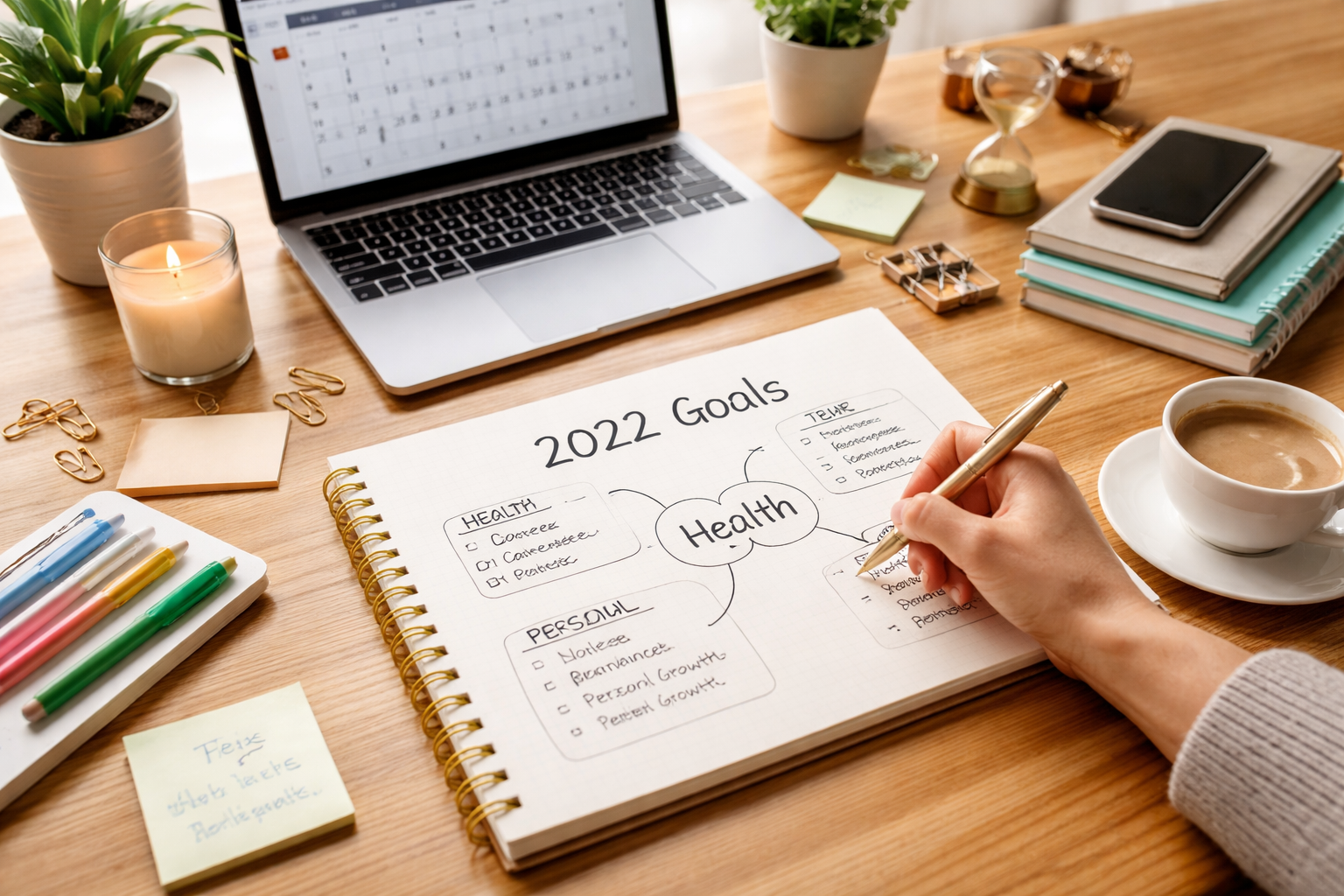
Make 2022 Your Best Year Yet: A Comprehensive Yearly Goal Planning Guide
As the calendar pages turn towards a new year, a wave of anticipation and reflection washes over us. It’s a time for fresh starts, for dreaming big, and for charting a course toward a more fulfilling and successful future. 2022 presents an unparalleled opportunity to redefine what’s possible in your life. This guide is designed to equip you with the tools and strategies to not just set meaningful goals but to actively pursue them with intention, resilience, and a spirit of celebration. We will embark on a comprehensive journey of yearly goal planning, from the initial spark of inspiration to the sustained effort required for long-term success.
Setting Meaningful Goals for 2022
The foundation of a successful year lies in the quality of the goals we set. Vague aspirations or resolutions that fizzle out after a week leave us feeling disappointed and unmotivated. Instead, we need to cultivate a practice of setting goals that resonate deeply with our values and aspirations, objectives that truly matter. This requires introspection and a clear understanding of what constitutes success for you.
Discovering Your Core Values and Passions
Before you even begin to jot down possibilities, take a moment to connect with yourself. What are the fundamental principles that guide your life? What activities bring you genuine joy and energy? Understanding your core values – perhaps it’s creativity, health, connection, learning, or contribution – will provide a compass for your goal setting. Aligning your goals with these values ensures they are not fleeting whims but deeply rooted desires that will sustain your motivation through challenges. Explore your passions. What are you naturally drawn to? What problems do you feel compelled to solve? These are fertile grounds for identifying goals that will be both rewarding and impactful.
Embracing the SMART Framework and Beyond
The SMART framework (Specific, Measurable, Achievable, Relevant, Time-bound) is a proven method for creating effective goals. However, for truly meaningful goals, we can expand upon this. Consider the emotional impact of achieving your goal. How will it make you feel? What will it enable you to do or become? While SMART provides the structure, this emotional connection fuels the desire. A goal like “get fit” is too broad. A SMART goal would be “Run a 5k race in under 30 minutes by September 2022.” To elevate it further, ask yourself, ‘Why is running this 5k important to me? What confidence will I gain? How will my energy levels improve?” This deeper understanding transforms a task into a transformative experience.
Differentiating Between Outcome and Process Goals
It’s vital to distinguish between outcome goals, which focus on the end result, and process goals, which concentrate on the actions and habits required to achieve that result. While outcome goals provide direction, process goals are where the daily work happens. For example, an outcome goal might be “publish a book”. A supporting process goal could be “write 1000 words every weekday” or “dedicate one hour each evening to editing”. Focusing on process allows for incremental progress, building momentum and reducing the overwhelm associated with a large outcome.
Creating a Yearly Action Plan for Success
A well-defined goal is only the first step; the journey to achieving it is paved with a strategic action plan. This plan acts as your roadmap, breaking down your overarching aspirations into manageable steps that you can execute consistently. Without a plan, even the most inspired goals can remain dormant dreams.
Deconstructing Yearly Goals into Quarterly and Monthly Objectives
Consider your annual objectives as peaks you strive to conquer. To reach the peak, you need to establish base camps and intermediate camps along the way. This translates to breaking down your yearly objectives into smaller, more digestible quarterly and monthly milestones. If your yearly goal is to launch a small business, your first quarter might focus on market research and business plan development, while the second quarter could involve legal registration and website creation. This phased approach makes the ultimate goal feel less daunting and provides tangible markers of progress throughout the year.
Identifying Key Milestones and Actionable Steps
Each monthly or quarterly objective requires further deconstruction. What are the absolute essential milestones you must hit to achieve that objective? And importantly, what are the specific, actionable steps that will get you to each milestone? For instance, if a monthly objective is to “build an email list of 500 subscribers”, a key milestone might be “create a compelling lead magnet”. Actionable steps could include “brainstorm lead magnet ideas”, “design the lead magnet”, and “write the sales page for the lead magnet”. The more concrete and specific your actions, the easier it will be to move forward.
Allocating Resources and Time Effectively
A robust action plan also necessitates a realistic assessment of your available resources and time. This means honestly evaluating your schedule, your budget, and any skills or tools you might need. Do you need to allocate a certain amount of money for a course or software? Do you need to carve out specific blocks of time in your week for dedicated work on your goals? Proactive resource allocation prevents future roadblocks and ensures your plan is not just theoretical but practical and executable.
Overcoming Obstacles and Staying Motivated
Achieving goals is usually difficult. Challenges, setbacks, and moments of doubt are inevitable. The key to sustained success lies not in avoiding these obstacles, but in developing the resilience and strategic thinking to navigate them. Motivation is not a constant current; it’s a muscle that needs to be exercised and replenished.
Anticipating Potential Roadblocks and Developing Contingency Plans
A wise strategist anticipates potential challenges. Before you proceed with executing your plan, please take a moment to consider potential challenges that might arise. This isn’t about being pessimistic; it’s about being prepared. If your goal involves public speaking, a potential roadblock could be stage fright. Your contingency plan might be to practise extensively, join a Toastmasters group, or work with a coach. Identifying these potential pitfalls in advance allows you to create proactive solutions, disarming them before they have a chance to derail your progress.
Cultivating Intrinsic and Extrinsic Motivation Strategies
Motivation can be fuelled by both internal and external factors. Intrinsic motivation stems from the inherent satisfaction and enjoyment derived from the activity itself – the sheer pleasure of learning, creating, or contributing. Extrinsic motivation comes from external rewards, recognition, or avoiding punishment. For sustained drive, it’s beneficial to cultivate both. Remind yourself of the “why” behind your goals – the intrinsic fulfilment. Additionally, set up a system for external rewards, however small, to acknowledge your efforts and celebrate your progress along the way.
Embracing Failure as a Learning Opportunity
The fear of failure can be a significant barrier to taking action. However, reframing failure is crucial for growth. Instead of seeing setbacks as definitive endings, view them as invaluable learning experiences. What went wrong? What lessons can be extracted from this situation? Every unsuccessful attempt provides data, guiding you toward a more effective approach next time. This mindset shift transforms fear into curiosity and builds a stronger foundation for future successes.
Tracking Progress and Adjusting Goals
Even the most well-laid plans may require adaptation due to the dynamic nature of life. . Regularly monitoring your progress and being willing to adjust your goals is not a sign of weakness but of intelligent and strategic leadership of your own life. This iterative process ensures your goals remain relevant and your efforts are as effective as possible.
Establishing Regular Progress Review Cadences
Consistency in monitoring is paramount. Choose a rhythm that works for you – weekly, biweekly, or monthly – to sit down and review your progress. This could involve a simple journal entry, a spreadsheet, or a dedicated app. Don’t just check boxes during these reviews. Ask yourself: “What am I doing well? Where am I facing challenges? Am I on track to meet my objectives?” This dedicated time for reflection prevents issues from snowballing and allows for timely interventions.
Utilizing Tools and Techniques for Effective Tracking
Various tools and techniques can support your progress tracking. Simple methods like using a physical planner with check-off boxes can be incredibly satisfying. Digital tools offer more sophisticated solutions, from habit trackers and project management software to spreadsheets that can visualise your data. Experiment with different methods to discover what makes tracking engaging and insightful for you. The goal is to make the tracking process as seamless and informative as possible, providing clear visibility of your journey.
Knowing When and How to Adjust Your Goals
Life circumstances can change, priorities can shift, and you may gain new insights along the way. It’s not only acceptable but often necessary to adjust your goals. This doesn’t mean abandoning them entirely, but rather making informed modifications. If a particular path proves unexpectedly difficult or less rewarding, pivot. If you achieve a milestone ahead of schedule, you might accelerate your timeline or set an even more ambitious target. The key is to make these adjustments consciously and strategically, based on your progress and evolving understanding.
Cultivating a Positive Mindset for Success
Your mindset is the invisible engine that drives your actions. A positive, growth-orientated mindset acts as a powerful catalyst for achieving your goals, while a negative or fixed mindset can become a self-fulfilling prophecy of limitation. Nurturing a positive outlook is an ongoing practice that will enrich not only your goal achievement but your overall well-being.
Practicing Gratitude and Affirmations
Gratitude is a powerful tool for shifting your perspective. Regularly acknowledging what you are thankful for – both in your current life and for the opportunities ahead – cultivates a sense of abundance and contentment. Similarly, using affirmations – positive statements about yourself and your potential – can help to reprogram your subconscious mind and build self-belief. Repeating affirmations like “I am capable of achieving my goals” or “I am resilient and adaptable” can subtly but profoundly influence your actions and outlook.
Visualizing Your Success and Future Self
Visualisation is a potent mental exercise. Take time to vividly imagine yourself achieving your goals. What does it look like? What does it feel like? Who are you with? What are you doing? The more detailed and sensory your visualisation, the more real it becomes. This mental rehearsal not only builds anticipation but also primes your mind to recognise opportunities and overcome challenges that align with your visualised future. Envisioning your future self as someone who has already achieved these goals can provide immense motivation and a clear sense of purpose.
Surrounding Yourself with Supportive Influences
The environment and the people you surround yourself with have a significant impact on your mindset. Seek out individuals who are optimistic and supportive and who inspire you. This group could be friends, family, mentors, or online communities. Conversely, be mindful of negative influences, whether they are critical individuals or overwhelming news cycles, and take steps to create healthy boundaries. A strong support system can provide encouragement during tough times and celebrate your triumphs.
Celebrating Achievements and Reflecting on Growth
The journey of goal achievement is as much about the process and the learning as it is about the destination. Taking the time to acknowledge your successes and reflect on your growth is essential for maintaining motivation, reinforcing positive habits, and understanding the lessons learned. This thoughtful closure sets you up for continued progress.
Acknowledging and Rewarding Your Milestones
As you hit your milestones, no matter how small, take a moment to acknowledge and celebrate. These celebrations can be simple – a favourite meal, a relaxing evening, or sharing your progress with a loved one. For larger achievements, consider more significant rewards. This positive reinforcement not only makes the journey more enjoyable but also helps to solidify the connection between effort and reward, strengthening your motivation for future endeavours. Don’t underestimate the power of self-congratulation.
Engaging in Regular Reflective Practices
Beyond simply tracking progress, dedicating time to deeper reflection is invaluable. After completing a phase of your plan or achieving a significant goal, ask yourself: “What did I learn during this process? What were my biggest challenges, and how did I overcome them? What skills did I develop? What would I do differently next time?” Journaling is an excellent tool for this, allowing you to capture your thoughts and insights in a structured way. This metacognitive practice cultivates self-awareness and continuously refines your approach to goal setting and execution.
Identifying Lessons Learned for Future Goals
Every experience, whether perceived as successful or not, offers valuable lessons. By reflecting on your journey, you can identify what worked well, what didn’t, and why. This understanding is crucial for setting more effective goals in the future. You might discover that you underestimated the time required for a certain task or that a particular motivation strategy was particularly effective. These practical insights become your personal toolkit for navigating future aspirations with even greater confidence and proficiency.
Setting Yourself Up for a Successful 2022: Tips for Long-Term Success
The pEffective goal planning principles extend beyond a single year. are foundational practices that, when consistently applied, lead to sustained personal and professional growth. By integrating these strategies into your life, you build a framework for perpetual progress and a life lived with intention.
Embracing a Growth Mindset as a Lifelong Approach
The belief that your abilities and intelligence can be developed through dedication and hard work is the cornerstone of long-term success. This growth mindset, as opposed to a fixed mindset that believes abilities are innate, encourages you to embrace challenges, persist in the face of setbacks, and see effort as the path to mastery. Make the growth mindset a perennial approach to all aspects of your life, not just your yearly goals.
Building Sustainable Habits and Routines
The most impactful achievements are often the result of consistent, small actions performed over time. Focus on building sustainable habits and routines that align with your goals. Instead of relying on bursts of motivation, design your days and weeks in a way that makes progress the default. This might involve creating morning routines, scheduling dedicated blocks for focused work, or incorporating stress-reducing practices into your daily life. These habits become the engine of your long-term progress.
Cultivating Continuous Learning and Adaptability
The world is constantly evolving, and so should your approach to life and goals. Commit to continuous learning, whether through formal education, reading, or seeking out new experiences. Remain adaptable, willing to pivot and adjust your strategies as circumstances change. The ability to learn from new information and to respond effectively to unexpected shifts is a hallmark of true long-term success. Embrace 2022 as a year of profound and lasting transformation, built on a foundation of intentional planning, resilient action, and a constant drive for growth.