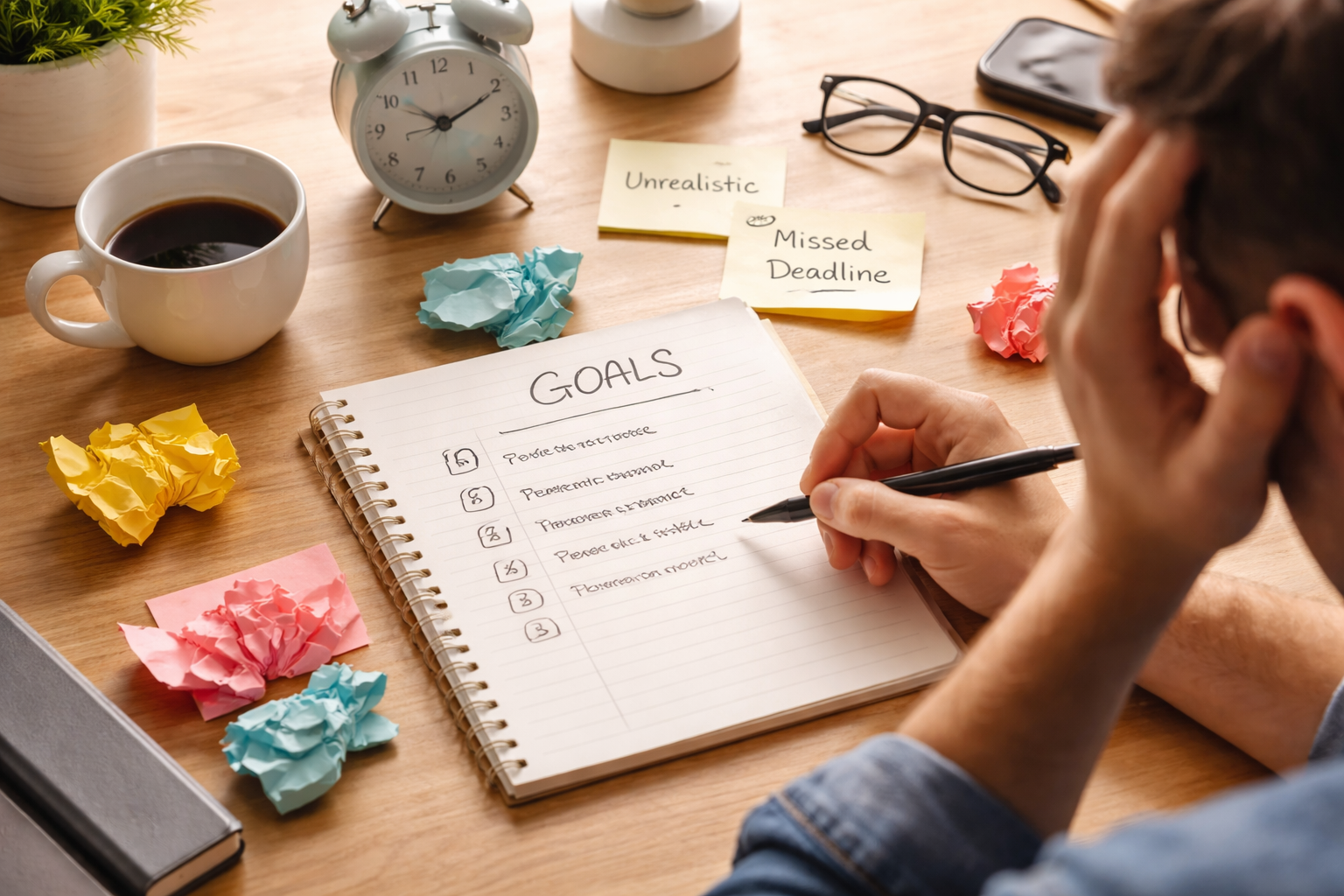
Quantifying Your Journey: Effective Methods for Assessing Your Personal Progress
Embarking on any personal journey, whether it’s learning a new skill, achieving a fitness goal, or advancing your career, is often driven by an intrinsic desire for improvement. However, merely wishing for progress isn’t enough; true growth necessitates a deliberate and systematic approach to understanding where you’ve come from, where you’re going, and how effectively you’re bridging that gap. This is where the power of quantification becomes crucial. By meticulously tracking, analysing, and reflecting on your efforts, you transform vague aspirations into tangible achievements, paving the way for sustained success.
Setting Clear Goals and Objectives
The cornerstone of any successful personal progress assessment lies in establishing unequivocally clear goals and objectives. Measuring your journey without a clearly defined destination is a pointless exercise. It’s akin to setting sail without a compass or a map – you might be moving, but you have no real way of knowing if you’re approaching your intended port.
Defining SMART Goals for Clarity
The widely recognised SMART framework provides an excellent blueprint for goal setting. Your goals should be specific, measurably achievable, relevant, and time-bound. A vague goal like “I want to be healthier” is difficult to quantify. Instead, consider “I will run a 5k race in under 30 minutes by December 31st of this year.” This goal is specific (running a 5k under 30 minutes), measurable (using a stopwatch), achievable (with consistent training), relevant (to your health aspirations), and time-bound (by December 31st).
Breaking Down Large Ambitions
For grander, long-term aspirations, it’s crucial to break them down into smaller, more manageable objectives. A daunting goal like “become financially independent” can be overwhelming. Instead, dissect it into quarterly or monthly objectives: “save $500 per month for investments”, “pay off credit card debt”, or “research and invest in a low-cost index fund”. Each smaller objective, when achieved, acts as a stepping stone, building momentum and making the larger goal seem less intimidating and more attainable.
Tracking and Measuring Your Progress
Establishing robust systems for tracking and measuring your progress is crucial once your goals are clear. This method is the heart of quantification, providing the raw data necessary for meaningful analysis.
Utilizing Journals and Digital Trackers
Old-fashioned journals remain invaluable tools for personal progress. Regularly jotting down your efforts, challenges, and insights provides a qualitative record that complements quantitative data. For instance, if your goal is to write a novel, a journal can track daily word counts, plot developments, character insights, and even your emotional state during the writing process. Numerous apps and software in the digital realm cater to specific goals. Fitness trackers log steps, calories burnt, and sleep patterns. Project management tools can track tasks completed, deadlines met, and milestones reached for career or learning objectives. Financial apps monitor spending, savings, and investments, offering real-time insights into your financial health.
Establishing Key Performance Indicators (KPIs)
peers”. For each objective, identify specific Key Performance Indicators (KPIs) that will signal your progress. If your goal is to learn a new language, a KPI might be “the number of new vocabulary words learned each week”; “minutes spent practicing each week”; “minutes spent speaking daily”; or “a score on a monthly fluency test.” For a professional goal like “improve public speaking skills”, KPIs could be “number of presentations given”, “skills”, “test”, “audience engagement scores”, or “feedback ratings from peers”. The choice of KPIs should directly reflect the core elements of your goal.
Creating Visual Representations of Data
Raw numbers can sometimes feel impersonal. Transforming this data into visual representations, such as charts, graphs, and dashboards, can significantly enhance your understanding and motivation. A line graph showing your weight loss over time, a bar chart illustrating your progress through a course curriculum, or a pie chart depicting your investment portfolio allocation can make complex information easily digestible and visually compelling. Seeing your progress laid out clearly can be a powerful motivator, providing a tangible representation of your efforts.
Using Data and Metrics to Evaluate Your Success
analysing peers”. Collecting data is only half the battle; the true power lies in analysing it to evaluate your success and identify areas for improvement. This analytical phase allows you to move beyond simply knowing what you’ve done to understanding what it all means.
Regular Data Review and Analysis
Schedule dedicated time to review and analyse the data you’ve collected. This shouldn’t be an infrequent, perfunctory task but rather a regular, thoughtful process. Weekly or monthly check-ins allow you to spot trends, identify potential roadblocks early, and assess whether your current strategies are yielding the desired results. Ask yourself critical questions: Are my KPIs trending in the right direction? Are there any unexpected dips or plateaus? What factors might be contributing to my current performance?
Identifying Patterns and Trends
Over time, your tracked data will reveal patterns and trends that might not be immediately obvious. For example, you might notice that your productivity consistently dips on Tuesdays or that your motivation wanes after a certain number of intense workout sessions. Recognising these patterns empowers you to make informed adjustments to your approach. Similarly, consistent positive trends offer reassurance that your methods are effective and should be maintained.
Reflecting on Your Achievements and Challenges
Beyond the numbers, a crucial aspect of personal progress assessment involves deep reflection. This introspective process allows you to connect the quantitative data with your qualitative experiences and emotional journey.
Celebrating Small Wins and Milestones
Acknowledging and celebrating small wins along the way is vital for maintaining motivation and fostering a positive mindset. Don’t wait until the ultimate goal is reached; every mini-milestone achieved deserves recognition. Finishing a difficult book, mastering a challenging chord on an instrument, or successfully completing a complex task at work all warrant a moment of personal triumph. These small celebrations reinforce positive behaviours and remind you of your capabilities.
Learning from Setbacks and Obstacles
Challenges and setbacks are an inevitable part of any personal journey. Instead of viewing them as failures, approach them as invaluable learning opportunities. When you encounter an obstacle, take time to reflect: What went wrong? What could I have done differently? What new insights have I gained from this experience? By dissecting setbacks, you can extract crucial lessons that strengthen your resilience and refine your future strategies.
Seeking Feedback and Input from Others
While self-assessment is essential, an external perspective can offer invaluable insights that you might overlook. Incorporating feedback from others provides a more holistic and well-rounded evaluation of your progress.
Identifying Trustworthy Mentors and Peers
Select individuals who you trust and respect to provide constructive feedback. This could be a mentor with more experience in your field, a peer who shares a similar goal, or a close friend or family member who knows you well. Be clear about the specific areas on which you’d like their input. For example, if you’re working on improving your communication skills, ask a colleague to observe your presentations and provide specific feedback on your delivery.
Engaging in Constructive Dialogue
When receiving feedback, adopt an open and receptive mindset. Avoid becoming defensive. Listen actively, ask clarifying questions, and be genuinely curious about their observations. Remember, the goal is to gain new perspectives, not to justify your actions. Engage in a constructive dialogue to understand their point of view and how it might align with or challenge your own assessment.
Adjusting Your Approach Based on Results
The entire process of quantifying your journey culminates in the ability to make informed adjustments to your approach. Tracking and analysis are not ends in themselves, but rather tools for continuous improvement.
Iterative Refinement of Strategies
Personal progress is rarely a linear path. It’s an iterative process of experimentation, measurement, analysis, and refinement. If your data indicates that a particular strategy isn’t yielding the desired results, don’t be afraid to pivot. Perhaps the workout routine is too intense, the study method isn’t effective, or the time allocation for a project is unrealistic. Use the evidence from your quantified journey to inform these strategic changes.
Embracing Flexibility and Adaptation
While clear goals are important, maintaining flexibility in your approach is equally crucial. Life is unpredictable, and unforeseen circumstances can arise. Your ability to adapt to new information, unexpected challenges, and evolving priorities is a hallmark of effective personal progress. Don’t rigidly adhere to a plan that is clearly not working; instead, use your data and reflections to guide a more responsive and adaptable course of action.
Celebrating Milestones and Recognizing Growth
Finally, it’s paramount to acknowledge and celebrate your achievements, both big and small. This isn’t just about feeling good; it’s a vital component of the feedback loop that reinforces positive behaviour and fuels future motivation.
Acknowledging Your Efforts and Dedication
Take a moment to truly appreciate the effort, dedication, and perseverance you’ve invested in your journey. Recognise the sacrifices made and the challenges overcome. This self-acknowledgement strengthens your belief in your own capabilities and instills a sense of pride in your progress.
Reinforcing Positive Behaviors
Celebrating milestones acts as a powerful reinforcement mechanism. When you reward yourself (whether with a small treat, a moment of relaxation, or simply a mental pat on the back) for reaching an objective, you create a positive association with the behaviours that led to that success. This makes you more likely to repeat those behaviours in the future, creating a virtuous cycle of sustained growth and achievement. By diligently quantifying your journey, you transform the abstract concept of self-improvement into a concrete, measurable, and ultimately, deeply rewarding experience.